
Find comfort and restore easy movement when jaw pain disrupts your day. Call us today!
TMJ treatment refers to dental care used to manage problems affecting the temporomandibular joint (TMJ). This joint connects the jawbone to the skull and allows the mouth to open, close, and move side to side.
When the TMJ becomes irritated or strained, it may cause symptoms such as jaw pain, headaches, clicking sounds, or difficulty chewing. TMJ treatment focuses on reducing stress on the joint and improving how the jaw moves. Our dentist may recommend therapies that support proper jaw alignment and help relieve pressure on the surrounding muscles.
Ease jaw pain, pressure, and headaches
Improve comfortable chewing and speaking
Prevent tooth wear from grinding
Support healthy jaw alignment
Your temporomandibular joints connect your lower jaw to your skull and work together with muscles, ligaments, and teeth to allow smooth movement. TMJ disorders are multifactorial, meaning symptoms may result from muscle tension, joint inflammation, disc displacement, bite imbalances, teeth grinding (bruxism), stress, or injury — not just joint “misalignment.”
When TMJ problems are left unmanaged, symptoms may worsen over time. Some patients experience increasing pain, jaw stiffness, tooth wear, or recurring headaches. Others notice difficulty opening or closing their mouth fully or discomfort while eating.
TMJ treatment focuses on managing symptoms, reducing joint stress, and improving comfort, not “curing” the condition.
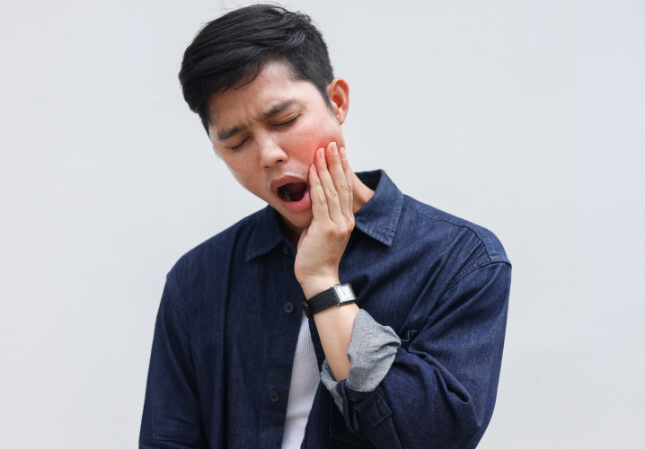
TMJ disorders often cause symptoms that affect the jaw, face, and surrounding muscles. Some people notice discomfort when chewing or opening their mouth widely.
Other signs may include jaw clicking or popping sounds, headaches near the temples, ear pain, or facial soreness. In some cases, the jaw may feel locked or difficult to move. Recognizing these symptoms early can allow our dental professional to evaluate the joint and recommend appropriate care.
We discuss your jaw pain, headaches, clicking, grinding, and lifestyle factors such as stress or sleep habits.
We gently examine jaw movement, range of motion, bite alignment, and muscle tenderness.
Digital X-rays or imaging may be recommended to better evaluate joint structures.
There are various treatment options that Dr. Present or Dr. Bejel can utilize to improve the harmony and function of your jaw. Once an evaluation confirms a diagnosis of TMJ disorder, our doctors will determine the proper course of treatment. It is important to note that treatment always works most effectively with a team approach of self-care combined with professional care.
TMJ symptoms can change over time. We adjust treatment as needed and monitor progress.
Professional care works best when combined with daily self-care. Between visits, our dentist may recommend:
TMJ symptoms often fluctuate. Occasional flare-ups are common and manageable with guidance and consistency.
“Years had gone by before I made it back to a dentist. My wife and kids had wonderful experiences with our doctor and his wonderful staff, so I finally caved in and started to go back to the dentist.”
-Bill D.
“I do not like going to the dentist. If you have not been I a while, go to Dr. Benel. You won’t be judged, and she and her team will keep you pain-free throughout. Can’t say enough good things…”
– E.M.
“Absolutely the best dentist and hygienist I have ever had. Gentle, friendly, and explain any work you need done very clearly.”
– Susan M.



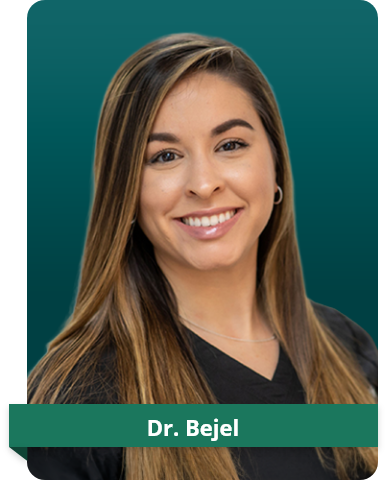


NextGen Dental Center PC takes a gentle, whole-health approach to dental care. We help patients relieve pain and restore comfort with personalized TMJ care.
Interested in learning more? Visit this page now!
Call our friendly team to schedule your TMJ consultation today!
TMJ disorders can cause jaw pain, clicking or popping sounds, headaches, muscle tightness, or limited jaw movement. Symptoms vary widely between individuals. A dental evaluation helps assess jaw function, bite alignment, and muscle involvement to determine whether TMJ-related issues may be contributing to your discomfort.
Many dentists receive training in evaluating and managing TMJ disorders, especially with conservative treatments such as nightguards and bite therapy. In some cases, referrals may be recommended. At our North Wales office, we assess your needs and guide you toward appropriate care options. Book a consultation with us through the Contact page today.
Teeth grinding, or bruxism, is commonly associated with TMJ disorders. TMJ treatment may include custom nightguards to help protect teeth and reduce jaw strain during sleep. Managing grinding may also help decrease muscle tension and reduce morning jaw soreness or headaches.